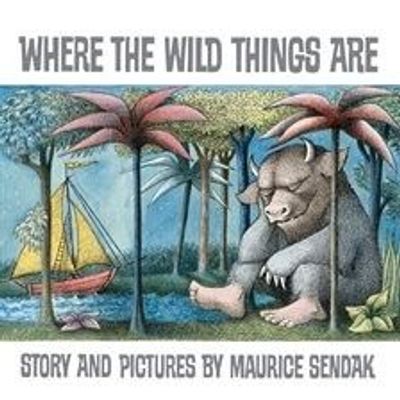
the napping house
Activities for The Napping House by Audrey Wood
Let’s Learn:
- Synonyms The author uses many words related to sleeping (snoring, dreaming, dozing, slumbering,etc). List the words and discuss how they are each slightly different. Use your favorite words this week.
- Sequencing As granny sleeps, others join her in the bed. Discuss the size of each new person or animal. Which is the largest? The smallest? Can you put all of them in order from largest to smallest?
Let’s Explore/ Experience:
- How Many? Gather stuffed animals or dolls and see how many you can stack on your bed before the stack tumbles over.
- Find the Animals On each page, the illustrator has drawn the animals that get in the bed. Can you find all of the animals? You may have to look closely.
Let’s Apply/ Make Connections:
- Naps Young children often take naps in the afternoon. Do you or any of your siblings take naps? Discuss why people might want to take a nap and how long should a nap last?
- Outdoor Naps There is a treehouse in the first picture of the book. How would the story be different if it took place outdoors? What animals might take a nap in the treehouse?
.Let’s Create:
- Illustrate a Napping House Cut out a house shape from construction paper. Draw your family in bed taking a nap. Who would you include? You may also include extended family members.
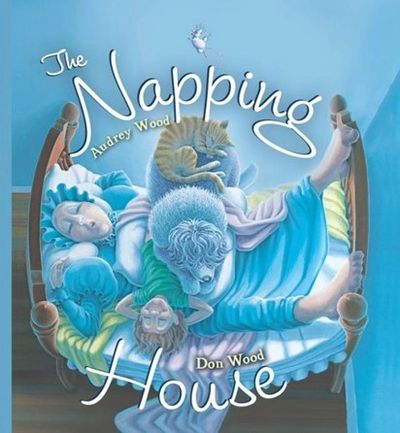
new kid
Activities for New Kid by Jerry Craft
Let’s Learn:
- Neighborhoods of New York City On his way to school, Jordan passes through three neighborhoods- Washington Heights, Inwood, and Kingsbridge. These are actual parts of New York City. Conduct a search of each area to learn about the people who live there, as well the types of homes and businesses you would see. Which area is most similar to where you live?
- Meet the Author Jerry Craft is a bestselling author-illustrator who has worked on numerous picture books, graphic novels, and middle grade novels. He is the creator of Mama’s Boyz, an award winning syndicated comic strip. Check out Jerry Craft — New York Times Bestselling Children's Author and Illustrator to learn more about the author.
Let’s Explore/ Experience:
- Coping Jordan’s mom puts pressure on him not only to attend RAD, but also to enjoy being there. Drawing helps Jordan cope with the pressure from home and the feelings of loneliness at school. What activities do you do to make yourself feel better when you’re stressed or lonely?
Let’s Apply/ Make Connections:
- Adaptation- aka “Code Switching” On pp. 56-57, “Jordan’s Tips for Taking the Bus” shows Jordan changing his appearance over the course of his ride to school. Discuss the concept of code switching. What do you notice in each frame? What is different about his clothing, body language, and the people around him? What do you think Jordan gains by code switching in this way? Can you think of a time where you felt you needed to code switch?
- That’s How I Feel! Choose one of the quotes from the book that you can relate with (several are provided below). Describe why you feel this way. Ask other friends and family members which quotes they can relate with.
Let’s Create:
- Comic Panel Create a six frame comic showing the first day of 8th grade for Jordan and his friends at RAD. Who is there? What are they wearing? What are they doing and talking about?
Note: Some of the ideas for this lesson were obtained from the author’s website https://jerrycraft.com/resources
Examples of quotes:
"This is how I feel every single day of my life, like I’m falling without a parachute. I mean, I’m not really falling. That’s called a metaphor.”
"Fitting in on the ride to school is hard work! I have to be like a chameleon.”
"I really love how Batman stands up for the little guys. Because usually, that little guy is me!”
"Never comfort someone with a lie.”
"You don’t have to like everyone, but you don’t have to be a jerk about it, either.”
"Nah, I could never forget you. You’re my shrimp lo mein! Trust me, that’s a good thing.”
"She thinks she’s all wonderful and accepting, but she’s not.And she acts like she knows me, but she doesn’t. It’s really frustrating.”
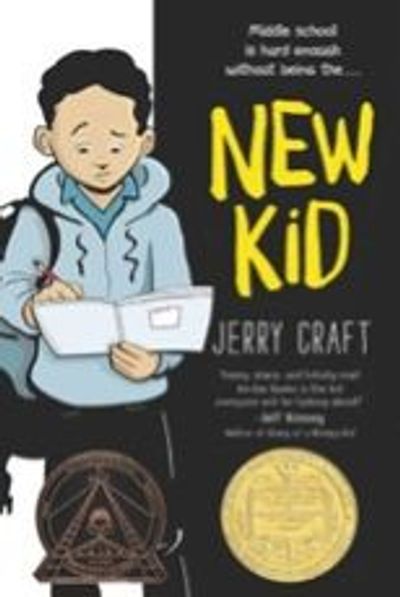
The One and Only Ivan
Activities for The One and Only Ivan by Katherine Applegate
Let’s Learn:
- The Real Ivan The main character, Ivan, is based on an actual gorilla that was raised by a family, spent many years in captivity in a strip mall setting, and later lived in the Atlanta Zoo. Read about the real Ivan at Ivan's Story - The Ivan Foundation. You may also enjoy two videos. The first, showing Ivan with his family is a 3 minute video narrated by a family member (15854) Meet Ivan: The Tacoma gorilla who changed the world - KING 5 Evening - YouTube . The second video is by the zookeeper who cared for Ivan while at the Atlanta Zoo. Meet Ivan - A Gorilla's Story
- Facts about Gorillas Learn about gorillas (what they eat, how long they live, etc). You may check out Gorilla - Overview | Better Planet Education
Let’s Explore/ Experience:
- Visit a Zoo TIf you live near a zoo, plan to visit. You will definitely want to check out the gorillas and elephants (two animals from the story).
- Animal Rescue Organizations There are many organizations that work to help and protect animals around the world. Learn more about these organizations. Here are two sites you might visit. International Fund for Animal Welfare | IFAW and International Animal Rescue
- Movie Night Watch the movie “The One and Only Ivan”. Discuss the differences between the movie and the book.
Let’s Apply/ Make Connections:
- Design an Animal Advocacy Campaign After reaching the animal rescue organizations above, design a fictional campaign for animal welfare. Come up with a name, slogan, logo, and simple action plan for helping your identified animal.
Let’s Create:
- Create a Mini Art Exhibit for Ivan Create several pieces of art inspired by various parts of the story. Write a short “artist’s statement” explaining how the piece represents Ivan’s story.
- Design a Billboard Campaign Design a billboard or series of billboards that Ivan might have created to raise awareness about animals in captivity. Combine art and messages to inspire action.
Otis
Lesson Ideas for Otis by Loren Long
Let’s Learn:
- Identify at least 4 types of tractors. What kind of work can they do?
- Identify at least 6 farm animals. How are they used on the farm?
Let’s Explore/ Experience:
- When driving by construction sites, identify the various tractors being used.
- Otis and the calf enjoy playing Ring Around the Rosy and Leap Frog. Play these games with your family or friends.
Let’s Apply/ Make Connections:
- A new tractor replaced Otis on the farm. What kinds of things have you or your parents replaced with a newer version (i.e., bicycle, game, appliance)? Why did you need a newer one? What did you do with the older item?
- Think of a time when someone needed help. Who helped them? What did they do? What kinds of things could you do to help someone? This week, look for opportunities to help.
Let’s Create:
- Make a paper bag puppet of your favorite farm animal. Use construction paper, scissors, glue, and markers to make a face, ears, and maybe a tail for your animal. Don’t forget to name your farm animal.
- Gather plastic farm animals and tractors. Create a farm, adding dirt, grass, small flowers, and barn.
** You may want to watch one of the read-aloud videos of Otis available on YouTube.
Other books you may use with this study:
- The Big Red Barn by Margaret Wise Brown
- Goodnight, Goodnight Construction Site by Sherri Rinker and Tom Lichtenheld
- Little Blue Truck by Alice Schertle
- Mike Mulligan and His Steam Shovel by Virginia Lee Burton

poppy
Activities for Poppy by Avi
Let’s Learn:
- The Life of Mice Research information about mice. What do they eat? How long do they live? What are the different types of mice? What environments do they choose to live in? What are their natural enemies? Are these facts true for the mice in Poppy? Why or why not? You may enjoy checking out Fun Mouse Facts for Kids - Interesting Information about Mice
- Flowers and Grasses – Poppy’s extended family and friends are often named after flowers, grasses, and plants. Research these names and identify the characteristics the mouse and the plant share.
Let’s Explore/ Experience:
- Ereth Phrases – Ereth is quite a porcupine personality! He has a very unique and memorable way to talk and describe the world. Here's a partial list of some of his sayings:bat bilge, fur ball, weasel wonk, slug slop, meat mauler, flat balloons, fuzzball, frog flip, bug’s bathwater, braying bag of bones, broom tail, snake sweat, and mouse muck. Look through the list and discuss Ereth’s possible meanings. What is implied by each saying? What or whom is he describing?
- Multiplying Mice – Being able to feed an entire mouse clan from scavenged foods is tough, and food scarcity is a huge component of Poppy. Mice multiply rapidly! How many mice could ONE MOUSE could be responsible for producing in just one year. Research how old a mouse has to be before starting families, and how many mouse litters that one mouse will have in one year. To extend the challenge, try to determine (using a mouse family tree or chart) how many mice would be produced by all the mouse children of the original mouse, and those children's children, within that one year.
Let’s Apply/ Make Connections:
- Poppy Dancing – Throughout the story, Poppy makes it clear that she loves to dance. As the book is coming to a close, many of Poppy’s troubles and fears have been resolved. Relaxing and celebrating becomes much safer for her family. Poppy declares Bannock Hill their “dancing place” and the story ends with Poppy, her husband, and their eleven children joyously dancing. What makes you happy and what things do you fear? What can you do to face your fears bravely? How can you find a peaceful place where you feel like dancing?
- A Look at Rules – The characters in Poppy live within a strong power structure that focuses on hierarchy and rules. For example, Lungwort is the leader of his family. There is also a structure among the woodland creatures. Brave and carefree, Ragweed disobeys the rules of the imposed hierarchy and pays the ultimate consequence. Identify common rules and why they are important. For example, they may be for protection, consideration of others, or for the common good of everyone.
Let’s Create:
- Map It Out – Create a map of the Dimwood region. You may draw a map or create a topographical map using salt dough or clay. Be sure to include places that Mr. Ocax describes being able to see from his perch.
- Owl Sculptures – Farmers often put up scarecrows or "mock" owls as decoys to keep birds and rodents out of their fields and/or stored crops and feeds. Create a life-sized owl to hang in your room or outside. You may use papier-mâché or you can fill a paper grocery bag with newspaper and shape it to resemble an owl.
* Many of this lesson’s activities were inspired by the website rtt-6-poppy-activities.pdf.

Save me a seat
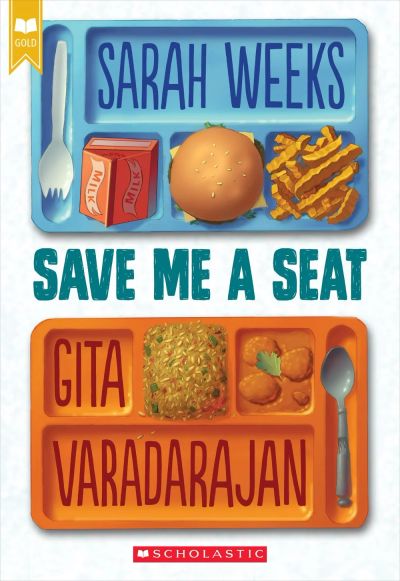
Activities for Save Me a Seat by Sarah Weeks
Let’s Learn:
- Auditory Processing Disorder In the story, Joe has Auditory Processing Disorder (APD). Research APD and consider how this could impact Joe’s ability to listen and learn from class discussions. Think of other things that children may struggle with that would make learning difficult (for example, Ravi’s limited English language, ADHD, learning problems). Do you struggle in any of these areas? How might you help other students who do?
- From India to America: Research current Indian (from India, not Native American Indian) culture. In what ways is it different from America? What do you think would be some of the more difficult things to handle when moving from one country to another? Note particularly that most Indians are Hindu and do not eat beef. How does this fact show up in the story?
Let’s Explore/ Experience:
- Indian Food Look up some popular Indian food recipes to try at home. One site that is exceptionally kid-friendly is 22+ Kids Lunch Box Recipes (Indian) - Madhu's Everyday Indian . Or better yet, take the family to dinner at an Indian restaurant. Step out of your comfort zone and try some new tastes.
- ASD in Action Children with ASD and ADHD have difficulty blocking the many sounds in their environment in order to concentrate on certain things such as the teacher speaking or to conversations around them. To experience this, gather several recorders or devices where you can record and play back various environmental noises. Record traffic noise, television noise, music, and general noises such as moving chairs across the floor. Play all of these recordings simultaneously (at the same time), while you and another person have a conversation. How difficult was it to stay focused on the conversation? Were there parts of the conversation you missed because of the noises? Were you able to speak your own ideas with all of the noises around you? Discuss how these challenges might impact a student’s success in school.
Let’s Apply/ Make Connections:
- Bullies In the book, Dillon is considered a bully because of how he treats other children. Ravi also realizes that he has bullied people in the past. Discuss the bullying you have seen or experienced. What types of things do bullies target (looks, clothes, accent, etc). Are these typically things that someone could change? Consider ways to respond to bullies and how to support those being bullied. If you know of someone currently being targeted, what first step can you take to help them?
- Friends, Bullies, and Parents, Oh My!! Early in the story, Joe’s mother gets a job working at his school and he is embarrassed by her actions. Do you think she is doing anything that she hasn’t done before (blowing kisses)? If not, discuss why this would bother Joe at school? Have you ever been embarrassed by your parents? What did they do? How did you react? Discuss with your mom or dad that there are some things that are okay to do at home that aren't always appropriate around your peers.
- Comfort Food Food plays a major role for Ravi and his family. Why do you think that continuing to eat the familiar things they had in India helps them adjust to America? Does it help them “assimilate” (integrate or fit in) to American culture? If you were to move to another country, what American food would you miss the most? What foods remind you of your family?
.Let’s Create:
- Postcard to India In one of the early chapters, Ravi receives a postcard from his friend in India. Design and write a postcard that Ravi might send to his friend in response. What do you think he would choose as the picture for the front of the card? Write about two or three things that happened during the first week of school.
Sign of the Beaver
Lesson Ideas for Sign of the Beaver by Elizabeth George Speare
Let’s Learn:
- Research a Native American tribe. Information to look for: where they live (or lived), what types of dwellings they lived in, whether they were farmers or hunters, and some facts about their culture.
- Wildlife from the Book Choose one of the animals from the book to learn more about. You could choose bears, bees, beavers, foxes, or porcupines.
Let’s Explore/ Experience:
- Hunting/ Fishing If you live near a body of water, try your hand at fishing. Or grab a bow and arrow and try some target shooting. If neither of these activities are available, visit a sporting goods store and talk with the salesperson about the various hunting and fishing equipment.
- Watch the Movie Grab some popcorn (maybe use traditional popcorn and pop it over a fire or on the stove) and watch the movie Sign of the Beaver. Afterwards, discuss how the movie was different from the book.
Let’s Apply/ Make Connections:
- Tribal Names In many Native American tribes, names were given to describe a person's physical or personal attribute. For example, Pocahontas means “playful one” and Geronimo (originally Goyaałé, which means "one who yawns" in Apache. Examples of other names are Sitting Bull, Crazy Horse, and Red Cloud. Create your own name that represents who you are or who you would like to become.
- Stereotypes Native Americans have been depicted in movies, television, and even books as fierce, aggressive, and unfriendly. Additionally, much of their land has been taken from them and many tribes now live on reservations. Why do you think this happened? Is it right or wrong? Has anyone you know experienced this type of treatment?
Let’s Create:
- Native American Signs/ Symbols Look up signs and symbols used by Native American tribes. Come up with symbols for current items and activities such as cell phone, computer, soccer, gymnastics. You can refer to the chart provided on this link: WE_BisonActivities.pdf
- Create a Native American Home Using Lincoln Logs or other building materials, build a longhouse or teepee. You may even want to build it using pretzels and frosting. It can be a snack later.
Song and Dance Man
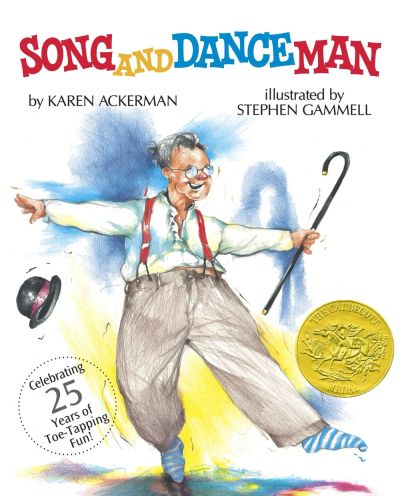
Activities for Song and Dance Man by Karen Ackerma
Let’s Learn:
- Vaudeville In the story, Grandpa used to be a vaudeville performer. Explain to your child that more than 100 years ago, Vaudeville was a form of entertainment (sort of like going to the movies). Performers would perform “acts” such as singing, dancing, acrobatics, and funny skits. Here is a short Vaudeville acrobatic act. (11) Video | Facebook
- “The Good Old Days” Discuss the meaning of this phrase. Talk about: What good things did grandpa mention in the story? Do we still have these things today? Why or why not?
Let’s Explore/ Experience:
- Learn to Tapdance Tape bottle caps to the bottom of your child’s shoes and have her “tap” on the sidewalk or on a large piece of plywood. If you know someone who takes or has taken tap lessons, ask them to show your child a few steps. Or check out this cool video tap dance for kids - Google Search
- Organize a Vaudeville Night Ask several children from the neighborhood to share a talent like singing, dancing, or telling jokes. Turn on floor lamps to act as spotlights. Invite parents to be the audience.
Let’s Apply/ Make Connections:
- Make a Memory Trunk: Paint or decorate a large box and fill it with things like old hats, bow ties, canes, and shoes, just like Grandpa's attic trunk. You may also include other items that are considered “old-fashioned” such as comic books and telephones.
- Grandparent Memories Have your child interview a grandparent or older neighbor about things they did as a child. What were their favorite memories? What do they miss the most?
Let’s Create:
- Vaudeville Poster Create a poster advertising your vaudeville show. Make it fun and exciting by using bright colors. Draw or glue pictures of people dancing or singing.
The story of ferdinand
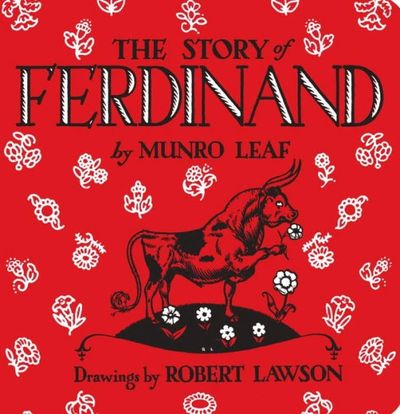
Activities for The Story of Ferdinand by Munro Leaf
Let’s Learn:
- Bull-fighting Learn about the sport of bull-fighting that was popular in Spain.What is a matador? How does he attract the bull? (ans. red cape) What do banderilleros and picadors do? What other interesting facts can you find about bulls and matadors?
- Where is Spain? Using a globe or world map, find the country of Spain. What countries are neighbors? How long would it take to travel by plane to Spain?
- Cork tree Ferdinand enjoys sitting under a cork tree looking at the flowers. Search online to learn facts about this type of tree. Show your child cork and have them describe the texture. Discuss things cork is used for (examples: bottle stoppers, shoes, and even floors).
Let’s Explore/ Experience:
- Spanish Food Search online for simple Spanish foods to make with your child. You may consider churros (sweet, fried dough), bocadillos (sandwiches with ham and cheese), and empanados (think pop-over filled with cheese, meat).
- Spanish Words Choose words from the story and look up how to say them in Spanish. Word options: bull/toro, flowers/flores, tree/árbol, cork/corcho, happy/feliz.
Let’s Apply/ Make Connections:
- I Like… Ferdinand likes to sit and smell flowers. The other young calves enjoy running and playing. Talk with your child about things he/she enjoys. Do they have a friend who likes to do other things? Is either person right or wrong? Discuss differences in interests.
- Arena Sports Bull-fighting takes place in an arena, where people sit in the stands (outside the main area) to watch the entertainment. What sports do we have that take place in an arena? (Inside: hockey, basketball Outside: football, baseball)
.Let’s Create:
- Make Paper Flowers Ferdinand loves flowers. Make your own using various materials. Check out this site for many possibilities. DIY Paper Flowers for Kids - The Secret Life of Homeschoolers.
- Adding Color The pictures in The Story of Ferdinand are black and white; so using water colors, have your child paint a blank sheet of paper. Encourage them to use any colors or patterns they would like. When dry, place a template of a bull (body or head) on the painted sheet and trace the pattern. Outline with a marker (Parental help may be needed for this step!)
Note: Many of the ideas in this lesson were found on the Barbara Bush Foundation website. Many more wonderful ideas can be found here:. The Story of Ferdinand Story Activities
Tales of a fourth grade nothing
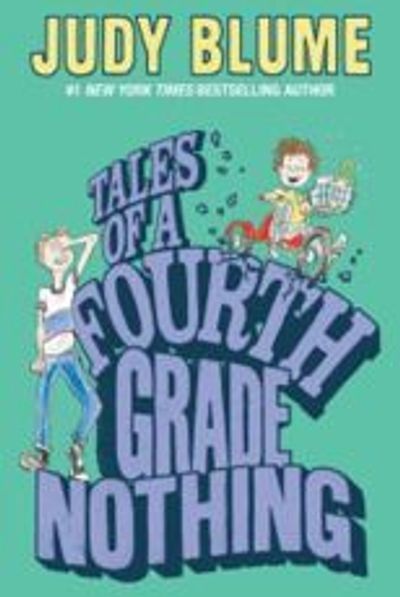
Activities for Tales of a Fourth Grade Nothing by Judy Blume
Let’s Learn:
- Turtle Facts One of the fun parts of the story centers around Dribble, the turtle Peter won at a party. Research types of turtles and which ones make good pets. Create a Pros/ Cons chart for having a pet turtle. You may want to check out 10 Types of Turtles That Make the Best Pets | Chewy.
- Fun Facts about New York City Peter and his family live in New York City near Central Park. Research famous places/ buildings in New York City, such as The Empire State Building, Statue of Liberty, Rockefeller Center, Time Square, and Central Park. If you live close enough, plan a trip to visit the city.
Let’s Explore/ Experience:
- Map of New York City Using the map provided below, locate places of interest near Central Park. Choose one to plan a field trip for Peter’s 4th grade class.
- Make Juicy-O Smoothies In the book, Peter’s father creates advertisements for Juicy-O. This beverage is described as tasting like a combination of oranges, pineapples, grapefruit, pears, and bananas. Make your own smoothie by blending one cup of frozen fruit, one cup fruit juice, and a small banana. Experiment with different fruits to find your favorite.
Let’s Apply/ Make Connections:
- Sibling Rivalry Peter and Fudge’s relationship is a major part of the story. If you have a sibling, discuss how you get along and what things you agree/disagree about. Ask your parents and friends about their sibling relationships. Identify things that siblings can do to get along better.
Let’s Create:
- Lost Turtle poster Create a “lost turtle” poster for Dribble. Don’t forget to include your contact information.
- Create a Commercial Write and act out a television commercial for Juicy-O. You may even want to write a music “jingle” to sing.
Note: Several ideas for this lesson came from the following sites: https: //curious-classroom.com/activities-tales-of-a-4th-grade-nothing; Tales of a Fourth Grade Nothing - Book Units Teacher.
Where the wild things are
Activities for Where the Wild Things Are by Maurice Sendak
Let’s Learn:
- Fiction or Nonfiction Discuss the difference between stories that are fiction and nonfiction. Is Where the Wild Things Are fiction or nonfiction? What information in the story helps you decide?
- Wild Things Vocabulary There are many words in the book that may be unfamiliar to your child. Discuss each word’s definition and have your child illustrate the meaning to help aid memory. Possible words: mischief, gnash, rumpus, supper, costume.
Let’s Explore/ Experience:
- Action Words Look through the book together and identify verbs (action words). Have your child act out the verb.
- Walk the Wild Visit a local park or wooded area. Walk through the park and identify things that Max may have seen on his adventure. Are there things that might look “wild” or scary in the dark or if you were alone?
Let’s Apply/ Make Connections:
- If I Were King or Queen Max becomes king of the wild things. Have your child respond to the prompt “If I were king or queen, I would _________”. What kinds of things would he/she want to do?
- Apology Note Max was punished by his mother because of his unruly behavior. Have you ever been punished for your behavior? What did you do? Did you apologize to the person you disobeyed? Compose (write or speak) a note of apology that Max may have given to his mother.
.Let’s Create:
- Create a Wild Thing Using a variety of craft items (paper, pipe cleaners, paint, yarn, etc) or recycled items, design your own special “Wild Thing”. Give it a name and place it in your room.
- Max’s Boat Create a boat using construction paper in a variety of cut-out shapes. Decorate the sails with things Max saw on his adventure.
*Many of this lesson’s activities were inspired by the website Where the Wild Things Are