All Thirteen: The incredible cave rescue
Ideas for All Thirteen: The Incredible Cave Rescue of the Thai Boys' Soccer Team by C. Soontornvat
Let’s Learn:
- The Country of Thailand Look for Thailand on a world map. What are the neighboring countries? Search for facts about the country and its culture. A good site for children is Thailand | National Geographic Kids
- Monsoons The soccer team entered the Tham Luang cave during monsoon season. Search books or the internet to learn about monsoons and what times of year they occur. You might like to check out this website: All Thirteen: The Incredible Cave Rescue of the Thai Boys’ Soccer Team - NCTAsia
Let’s Explore/ Experience:
- Being lost For several hours, the boys’ parents did not know where they were. They probably thought they had gotten lost. Have you or someone you know ever gotten lost? How did you feel? Were you able to find your way home or did someone help you?
- Rescue Responders People from all over the world went to Thailand to help resume the soccer team. Discuss the different skills that were needed to complete the rescue (ex. engineering, scuba diving, medical).
Let’s Apply/ Make Connections:
- Journal entry Imagine that you are one of the boys trapped in the cave. Write two or three journal entries describing what you are doing or thinking while you are waiting to be rescued. For example, how do you spend your time? How do you keep from being afraid?
- Notes of encouragement Imagine that you are a friend or sibling of one of the trapped boys. Write a note to encourage them while they are waiting to be rescued.
Let’s Create:
- Welcome home! Create a poster or sign to greet the boys as they are rescued from the cave. You may also plan a Welcome Home party for the team. What food would you serve? How would you decorate?

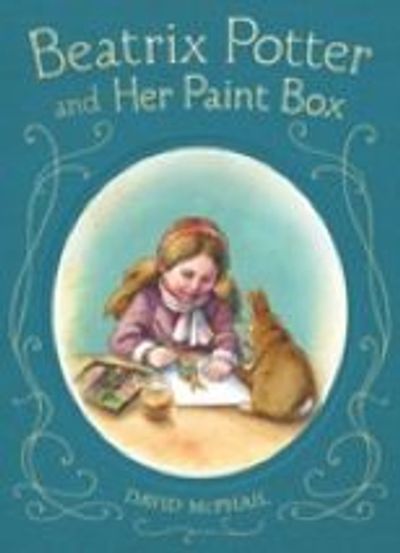
Beatrix potter and her paint box
Lesson Ideas for Beatrix Potter and Her Paint Box by David McPhail
Let’s Learn:
- Facts about Beatrix Potter Share the biography of Beatrix Potter provided below. You may also want to search online for additional information about her life. (Beatrix Potter - The Artist | The Beatrix Potter Society, Beatrix Potter | National Trust). Find at least three interesting facts about Ms. Potter that you can share with someone else.
- Beatrix Potter characters Beatrix Potter created many characters that continue to be favorites with children, including Peter Rabbit, Jemima Puddle Duck, Jeremy Fisher, and Mr. McGregor. Discuss how Beatrix’s pets and spending time in the country helped her create these characters. Which one is your favorite?
Let’s Explore/ Experience:
- England Beatrix Potter lived in England and spent her summers in the country. Find England on a map and discuss how far it is from where you live. Discuss the difference between living in the city and in the country. What types of things can you do in each place?
Let’s Apply/ Make Connections:
- Becoming an artist Beatrix Potter did not learn to draw by taking art lessons. She closely observed the animals and plants around her and drew what she saw. Discuss how looking closely at something helps the artist. Also, do you think Beatrix Potter would have been a better artist if she had taken art classes? Why or why not? What is something that you do well that you learned on your own?
.Let’s Create:
- Watercolor Beatrix Potter used watercolors to draw her characters. Purchase an inexpensive set of watercolors to paint your favorite animal or plant. First, draw the picture with a pencil, then fill in with the paint.
History of Beatrix Potter
Helen Beatrix Potter, known as Beatrix, was born on 28 July 1866 to Rupert and Helen Potter in Kensington, London. Her younger brother Walter Bertram followed six years later. Beatrix and Bertram loved to draw and paint, and often made sketches of their many pets, including rabbits, mice, frogs, lizards, snakes and a bat. The most exciting time of the year for Beatrix was the summer when the family travelled north to spend three months in the countryside.
When Beatrix was sixteen, the family stayed at Wray Castle, where Beatrix began a lifelong love of the Lake District. Beatrix’s love of the countryside began to inspire her tales. The Tale of Peter Rabbit came from a picture letter originally sent to her governess’s son Noel Moore. After being rejected by several publishers, Beatrix decided to publish the tale herself. The book’s instant success encouraged Frederick Warne & Co., who had previously turned it down, to reconsider their decision, offering to take it on as long as Beatrix re-illustrated it in colour. On publication in October 1902, it was an immediate bestseller.
Income from her books enabled her to invest in farmland, including Hill Top Farm, which would become a feature in many of her tales. Beatrix was a staunch supporter of the National Trust, she followed its principles in preserving her land. She also bred Herdwick sheep on her farms in the Lake District and played an integral part in bringing them back from the brink of extinction. Beatrix died in 1943, leaving fifteen farms and over four thousand acres of land to the National Trust. Today, more than two million Beatrix Potter books are sold across the world every year – four books every minute!
**Some of the Information for these activities was obtained from the following websites:
Beatrix Potter - The Artist | The Beatrix Potter Society and Beatrix Potter | National Trust
Because of Winn-Dixie
Lesson Ideas for Because of Winn-Dixie by Kate DiCamillo
Let’s Learn:
- Table of Contents activity- Identify the main idea in each chapter and come up with a creative title. Put all chapter titles into a Table of Contents.
- Timeline of Events in the Story Determine the 10-15 most important events in the novel. Create a timeline using those events. You may want to add a picture or symbol to represent the event.
Let’s Explore/ Experience:
- Visit an animal shelter or pet shop, discuss the animals and their needs. What could you do to help them?
- Character interview: Write at least 5 questions and answers for 4 different characters in the book. (also see ideas for multiple children)
Let’s Apply/ Make Connections:
- Write a letter from Opal to her mother In the letter, include some of the people Opal has met and how she is feeling about her new home, missing her mom and friends, and don’t forget to talk about Winn-Dixie!
- Lessons Learned activity The town of Naomi, Florida is full of eccentric, unique characters, and Opal learns a lot of good life lessons through each new encounter. Think of when Opal met each character, and for FOUR of the phrases below, give an example of how Opal learned this valuable lesson (ie: who did she meet and why did she learn this lesson)
- Don't judge others by appearances.
- Don't believe what other people say about a person.
- "Some people have a strange way of going about making friends."
- "You can't always judge people by the things they've done in their past."
- Sometimes people aren't friendly because they are holding a lot of sadness inside.
- Elderly people often have some of the best stories to tell.
Let’s Create:
- Map of Naomi Identify various places in the story (i.e., pet store, library, grocery store, church, Gloria Dump’s house) and create a “map” of the town. Use your imagination! (also see ideas for multiple children)
- Make a scrapbook that Opal may have made for the events of the summer. Try to include at least 6 events with drawings or pictures to represent the events. Decorate your scrapbook the way you think Opal would. (also see ideas for multiple children)
***For families with multiple children, cooperative learning can be used with the Map and Scrapbook activities. For the Character Interview activity, children may enjoy interviewing (and recording) each other as different characters.
If reading aloud to younger children, have them choose one character that they found interesting and describe them. They can also describe orally or in writing how Winn-Dixie came to live with Opal and how having a dog makes a difference for Opal.
Note: Several ideas for this lesson came from www.thebestchildrensbooks.org !

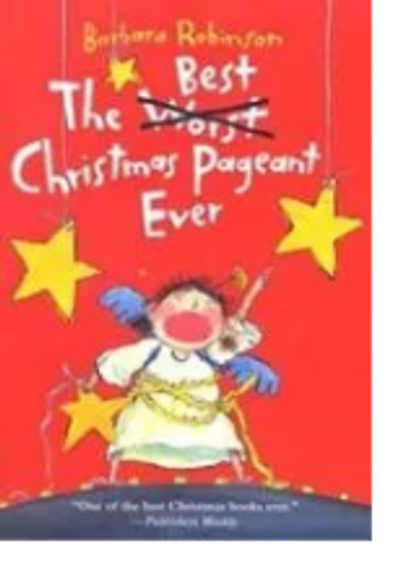
THE BEST CHRISTMAS PAGEANT EVER
Lesson Ideas for The Best Christmas Pageant Ever by Barbara Robinson
Let’s Learn:
- Timeline of events Choose 4-5 events from the story to place on a timeline. Include who was involved and where it occurred.
- Comparing Christmas story versions Read the Christmas story in the Bible (Luke 2: 1-21; Matthew 2:1-12). Discuss how the Herdman children reacted to the story and what changes were suggested or made.
Let’s Explore/ Experience:
- Watch the Movie Make some hot cocoa and watch the movie version of the book. Afterwards, discuss how the movie was different from the book.
- Attend a Christmas play Attend a play put on by a local theater group or school. Discuss what is involved in the process, such as choosing cast members, memorizing lines, designing the scenery and costumes.
Let’s Apply/ Make Connections:
- Character Journal Entries Choose a character from the story and write a journal entry that he/she would have written after the first play practice. Include thoughts about the upcoming play, the other cast members, and what their role will be in the play. Then, write a second journal entry that your character would have written after the performance. How has he/she changed? What did he/she learn during the time working on the play?
- Understanding Backgrounds The narrator describes the Herdman children as the worst kids in history, mentioning many “bad” things they have done. Discuss possible reasons for the children’s behavior, including home life and lack of supervision. Does knowing about their upbringing help you better understand their misbehavior? Do you think they could learn better behavior?
Let’s Create:
- Pageant Scrapbook Create a “scrapbook” that the cast may have put together at the end of the play. You could make drawings of the various scenes or find pictures to represent various events. Include “contributions” from at least 3 characters as part of the scrapbook.
- Create a Star On the cover of the current version of the book, the angel is holding a star. Using craft items, design and create a “unique” star. Possible ideas include paper mache, modeling clay, paint, or fabric stars,
- Put on a Play Gather family and friends to put on a play. You could choose to act out the Christmas story or scenes from a favorite movie. You may even want to write your own play.
Biscuit
Lesson Ideas for Biscuit by Alyssa Capucilli
Let’s Learn:
- Make a list of things you need to take care of a pet
- What animals would make good pets? What animals would not be good pets? Why not?
Let’s Explore/ Experience:
- Neighborhood walk to observe pets.
- Visit an animal shelter or pet shop. What kinds of pets did you see? Which was your favorite?
Let’s Apply/ Make Connections:
- Ask family members about pets they had as children.
Let’s Create:
- Draw or color your favorite pet. Give your pet a name.
- Make a collage of pets using pictures from magazines.

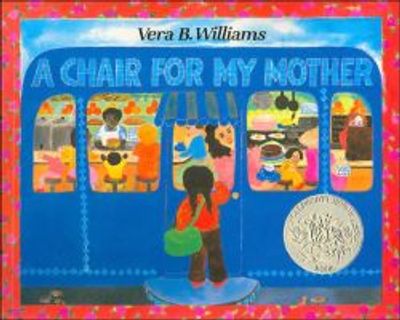
A Chair for my mother
Activities for A Chair for My Mother by Vera B. Williams
Let’s Learn:
- Money In this story, Rose and her family save their coins to buy a new chair. Depending on the age of your child, you can discuss the names of coins, how much they are worth, and sort them. You may also practice counting by 1’s, 5’s, and 10’s.
- Fire Safety Rose’s home is destroyed by fire. Discuss fire safety rules such as “Stop, Drop, and Roll”. Have your child practice this procedure.
Let’s Explore/ Experience:
- Shop for Chairs Visit a furniture store and try out several types of chairs. Which ones does your child like? What colors and features are their favorites?
- Family Fire Safety Plan If you don’t currently have a fire safety plan, now is a great time to write one. Discuss with your child what he should do and where he should go in case of a fire. Have the family practice several scenarios together to make sure that your child is comfortable with the plan.You may want to use this site as a reference: How to make a home fire escape plan | NFPA
Let’s Apply/ Make Connections:
- Character Traits In the story, Rose demonstrates several positive character traits, including charity (giving) and helpfulness. Discuss these traits with your child. How can she demonstrate one of these traits this week?
- Helping Others In the story, Rose’s mother works hard to provide for her family. Rose and her grandmother also work to save money to buy the special chair for her mother. Identify someone that you could help in a tangible way (food for a shut-in, clothes to give to a home for children, etc). What chores could your child do to earn money for this purpose?
.Let’s Create:
- Money Jar Gather a glass jar w/ top, a knife to cut a slit in the top, and paints/ stickers/ decals for decoration. Have your child decorate the jar and place it in her room or in the kitchen to remind everyone of the importance of saving money to help others.
- Borders The pages in this book have fun borders all around them. Take time to notice them. How are the borders related to the events on the page? Have your child draw a picture and design a border that fits the picture.
- Design a Chair Have your child design his favorite chair. What color will it be? Will it have stripes, flowers, or other design? You may download free chair coloring pages at Chair Coloring Page - GetColoringPages.com
** Several activities for this lesson along with many other great ideas were found on: A Chair for My Mother Activities - Homeschool Share
Charlotte's web
Lesson Ideas for Charlotte's Web by E.B. White
Let’s Learn:
- Life Cycle of a Spider Learn about the four stages of a spider’s life: egg, egg sac, spiderling, and adult. For information, check out Life Cycle of a Spider | Smore Newsletters and various YouTube videos.
- Character Descriptions Choose 4-5 characters from the story and write a paragraph describing them. Include their personality, what they like/don’t like, and at least one thing they do in the story.
Let’s Explore/ Experience:
- Web of Words Draw a large spider web on a piece of poster board. As you read, add new or unusual words to the web. Look up their meanings and try to use your favorite words during conversation.
- Spider Web Scavenger Hunt One morning, take your camera or phone and look around your house or yard for various types of spider webs. For more information about the main types of webs, see Spider Web Scavenger .Hunt - Primary Theme Park.
- Watch the Movie Grab some popcorn and watch the movie Charlotte’s Web. Afterwards, discuss how the movie was different from the book.
Let’s Apply/ Make Connections:
- Choosing a Quote! Read over the quotes from the book below. Choose your favorite and write a short paragraph explaining what it means to you.
“It’s not often that someone comes along who is a true friend and a good writer.”
“You have been my friend. That in itself is a tremendous thing.”
“With the right words, you can change the world.”
“Salutations is my fancy way of saying hello.”
“Always be on the lookout for the presence of wonder.”
- Words Describing Others Charlotte used words like “radiant” and ”terrific” to describe Wilbur. Identify words that could describe your family members or friends. (These words will be used in the Let’s Create section).
Let’s Create:
- Spiderweb Words Using the words you selected to describe your family/ friends, make sparkly spider webs as follows: Use a black Sharpie to draw a spider web with your word on a sheet of waxed paper or plastic wrap. Then trace the shape with glue and sprinkle silver glitter on top. Allow the spider web to dry overnight, then carefully peel it off the surface. The sticky backside will adhere to the surface of a window, allowing the sun to shine through the sparkling spokes of the web.
- Create a Model Using craft items, create a barnyard or county fair like the ones in the book. Add plastic animals or people figures and label your model.
Note: Several ideas for this lesson came from Best Charlotte's Web Activities for the Classroom - WeAreTeachers and Seven Great Activities for Charlotte's Web - Where the Magic Happens.
corduroy
Lesson Ideas for Corduroy by Don Freeman
Let’s Learn:
- Lisa has saved her money and wants to buy Corduroy. Discuss the various coins and bills. How much do you think Lisa needed to purchase the bear? How long do you think she had to save her money?
- Lisa sees Corduroy in a department store. Discuss the various departments in large stores and what you can purchase in each department.
Let’s Explore/ Experience:
- Visit a department store and talk about where you can find toys, clothes, etc.
- Visit a thrift store and look for used toys. Do they need repairing? If so, discuss what you can do to make them like new.
Let’s Apply/ Make Connections:
- Discuss how Corduroy felt when he was in the department store? How did he feel when Lisa took him home?
- Discuss your favorite toys. What makes them special?
- If your child does not have a “piggy bank”, consider ways to encourage them to save coins for a special purpose.
Let’s Create:
- String large, colorful buttons to make necklaces for family members.
- Make bear-shaped snacks, such as Rice Crispy treats or cookies.
- Decorate an empty jar or storage container with stickers and/or paint. Cut a hole in the lid and use it to save coins.

Do you want to be my friend?
Activities for Do You Want to be My Friend? by Eric Carle
Let’s Learn:
- Name the animals that Mouse meets. What were the excuses they gave for not being his friend?
- What qualities was Mouse looking for in a friend? Discuss what friends do together.
Let’s Explore/ Experience:
- Using books or the internet, find photographs of the actual animals in the book. To get you started, check out these books: “National Geographic Book of Animal Poetry : 200 Poems with Photographs that Squeak, Soar, and Roar!”(edited by J. Patrick Lewis) and “Animal Ark : Celebrating Our Wild World in Poetry and Pictures” by Kwame Alexander. National Geographic also has videos of many animals. Here is the link: Amazing Animals | National Geographic Kids
Let’s Apply/ Make Connections:
- Talk with your child about his friends. Do they have the qualities of a good friend? Discuss how to be a good friend to others
- Think of something simple you can do to be a good friend for someone. Maybe take them a cupcake, send a postcard, or invite them over to play. Don’t forget that family members can also be friends. This week, look for opportunities to be a friend.
Let’s Create:
- Make a friendship bracelet. You can use a variety of materials such as yarn, embroidery thread, plastic straws, tube pasta, and beads. Make a second bracelet to share with a friend.
- Draw a “Me and My Friend” picture. Consider giving it to your friend.
Esperanza rising
Activities for Esperanza Rising by Pam Munoz Ryan
Let’s Learn:
- The Great Depression and the Dust Bowl Research information about this time in history. What actual facts did the author include in her story? Discuss the challenges that people faced during this time.
- Speaking Spanish The author weaves Spanish words and phrases throughout the book, giving an authentic feel to the narration. Spanish words are in italics and the meaning is either given or implied. Choose several of these words/phrases to use in your conversation with family and friends. Some you might consider: abuelita (grandmother), lamparas (lamp), and por favor (please).
Let’s Explore/ Experience:
- Mexican Food Food plays an important role in the novel. Each chapter represents a different fruit or vegetable that plays a significant role in the story. Sample several of these foods and others mentioned throughout the story. You might choose: enchiladas, tamales, avocados, plums, and guava.
- Host a Jamaica: Plan a celebration that includes wearing shawls and sombreros, eating favorite Mexican food, and opening a pinata. Don’t forget fun Mexican music!
Let’s Apply/ Make Connections:
- Diary Entries Write diary entries that Esperanza might have written at the beginning of the novel, in the middle as she travels to America, and at the end of the book. What events will you choose to highlight in your diary?
- Mountains and Valleys: Esperanza’s grandmother tells her “...after you have lived many mountains and valleys, we will be together”. Identify several of the events that Esperanza experienced and place them on paper, illustrating it to look like mountains and valleys.
Let’s Create:
- Yarn Doll Esperanza’s mother made a yarn doll for the small girl on the train. Make a yarn doll to keep or give to another child. Check out this pattern How to Make Yarn Dolls: Simple Homemade Toys - Little House Living
- Learn to Crochet Crocheting is important throughout the book. Get a hook and some yarn and learn basic crochet stitches. You may even want to learn the “hills and valleys” pattern that Esperanza’s grandmother used. There are many Youtube videos that provide step-by-step instructions.
** Please note that many ideas for this lesson were found on the following sites: 6 Meaningful and Creative Activities for Esperanza Rising - Curious Classroom Adventures; Esperanza Rising Activities For An Unforgettable Rising Novel Study, and Novel Engagement: Esperanza Rising - The Colorful Apple
Fry Bread
Activities for Fry Bread by Kevin Noble Maillard
Let’s Learn:
- What is fry bread? Identify the things you need to make fry bread. Is it made in the oven or on the stove? Is it sweet or spicy?
- Learn the names of some Native American tribes. Several tribes are named in the book. You can look up others online.
Let’s Explore/ Experience:
- Make fry bread Using the recipe provided in the book, make fry bread. Share it with a friend or neighbor. Do you like it? What does it taste like?
- Native American culture Visit a museum that exhibits Native American arts and crafts or learn about the various tribes online. National Geographic for Kids presents tribes by location in the US. Find a tribe near where you live. Native Americans | National Geographic Kids
Let’s Apply/ Make Connections:
- Favorite Food What is your favorite food? Is there a food that your family loves to eat on special occasions? How does it make you feel when you eat that food?
Let’s Create:
- Favorite Food collage Cut out pictures from magazines or draw pictures of your favorite foods. Paste them on construction paper to make a collage.
- Native American craft In the book, the author shares that weaving, basket-making, and doll-making are traditional crafts of the Seminole tribe. Practice weaving using strips of construction paper, foam or cardboard. Simple Rainbow Weaving for Kids - Days With Grey (I like this site because it shows how to adapt for different age children) or if you feel ambitious, try making a handkerchief doll. Making a Hankie Doll Out of Wedding Handkerchiefs (Pew Baby) (no sewing required!)

The junction of sunshine and lucky
Activities for The Junction of Sunshine and Lucky by Holly Schindler
Book Summary:
Auggie lives with her grandpa, who works as a trash hauler, in Serendipity Place. When new members of the House Beautification Committee find the homes in their neighborhood as “against code”, Auggie discovers a hidden talent that just might save the community.
Let’s Learn:
- Career Study- Trash collector/ Junk yard owner Auggie’s grandpa, Gus, hauls trash for a living. Research trash collectors in your area. How much do they get paid? What hours do they work? Discuss good things about being a trash hauler. For example, they get to know people in the neighborhood and have access to “free stuff”.
- Neighborhood Restrictions In this story, the House Beautification Committee makes and enforces rules to ensure that the city homes are “beautiful.” If you live in a neighborhood with restrictions, discuss with your parents what those restrictions are.If you do not live in this type of neighborhood, determine whether there are building or home restrictions in your city. Why were these restrictions put in place? Are they necessary? Are they fair to all homeowners?
Let’s Explore/ Experience:
- Visit a Junkyard or Antique Shop Look at the everyday items that people have thrown away or given to an antique shop. What items could be used “as is” by someone (i.e., jewelry, dishes) or repaired (i.e., broken appliances, torn curtains). What items could be used to create new items?
- Neighborhood Tour Walk or ride around your neighborhood or town. Identify homes and yards that you would consider “beautiful”. What makes them attractive? What homes or yards are in need of upkeep (painting, repair, yard maintenance)? Don’t judge the homeowner for not maintaining his/her home. There may be reasons that you are not aware of!
Let’s Apply/ Make Connections:
- Meet the Neighbors Auggie comes to the defense of her neighbors when they are targeted by the House Beautification Committee. Describe two or three of these friends. How did Auggie demonstrate friendship to them? How did they respond to Auggie’s friendship?
- Helping Others Auggie and Gus used their sculptures to help their neighbors by demonstrating the beauty of their neighborhood. Are there people in your neighborhood who need help? What are some ways you can show friendship to them?
Let’s Create:
- Junkyard Art Using discarded or broken household items, “recreate” them into either useful or artistic items. Consider gifting them to your family or friends.
- Beautiful Neighborhood Using any medium (paint, drawing, clay, etc), create your idea of a beautiful neighborhood. Share your design with your family or neighborhood.
the napping house
Activities for The Napping House by Audrey Wood
Let’s Learn:
- Synonyms The author uses many words related to sleeping (snoring, dreaming, dozing, slumbering,etc). List the words and discuss how they are each slightly different. Use your favorite words this week.
- Sequencing As granny sleeps, others join her in the bed. Discuss the size of each new person or animal. Which is the largest? The smallest? Can you put all of them in order from largest to smallest?
Let’s Explore/ Experience:
- How Many? Gather stuffed animals or dolls and see how many you can stack on your bed before the stack tumbles over.
- Find the Animals On each page, the illustrator has drawn the animals that get in the bed. Can you find all of the animals? You may have to look closely.
Let’s Apply/ Make Connections:
- Naps Young children often take naps in the afternoon. Do you or any of your siblings take naps? Discuss why people might want to take a nap and how long should a nap last?
- Outdoor Naps There is a treehouse in the first picture of the book. How would the story be different if it took place outdoors? What animals might take a nap in the treehouse?
.Let’s Create:
- Illustrate a Napping House Cut out a house shape from construction paper. Draw your family in bed taking a nap. Who would you include? You may also include extended family members.

new kid
Activities for New Kid by Jerry Craft
Let’s Learn:
- Neighborhoods of New York City On his way to school, Jordan passes through three neighborhoods- Washington Heights, Inwood, and Kingsbridge. These are actual parts of New York City. Conduct a search of each area to learn about the people who live there, as well the types of homes and businesses you would see. Which area is most similar to where you live?
- Meet the Author Jerry Craft is a bestselling author-illustrator who has worked on numerous picture books, graphic novels, and middle grade novels. He is the creator of Mama’s Boyz, an award winning syndicated comic strip. Check out Jerry Craft — New York Times Bestselling Children's Author and Illustrator to learn more about the author.
Let’s Explore/ Experience:
- Coping Jordan’s mom puts pressure on him not only to attend RAD, but also to enjoy being there. Drawing helps Jordan cope with the pressure from home and the feelings of loneliness at school. What activities do you do to make yourself feel better when you’re stressed or lonely?
Let’s Apply/ Make Connections:
- Adaptation- aka “Code Switching” On pp. 56-57, “Jordan’s Tips for Taking the Bus” shows Jordan changing his appearance over the course of his ride to school. Discuss the concept of code switching. What do you notice in each frame? What is different about his clothing, body language, and the people around him? What do you think Jordan gains by code switching in this way? Can you think of a time where you felt you needed to code switch?
- That’s How I Feel! Choose one of the quotes from the book that you can relate with (several are provided below). Describe why you feel this way. Ask other friends and family members which quotes they can relate with.
Let’s Create:
- Comic Panel Create a six frame comic showing the first day of 8th grade for Jordan and his friends at RAD. Who is there? What are they wearing? What are they doing and talking about?
Note: Some of the ideas for this lesson were obtained from the author’s website https://jerrycraft.com/resources
Examples of quotes:
"This is how I feel every single day of my life, like I’m falling without a parachute. I mean, I’m not really falling. That’s called a metaphor.”
"Fitting in on the ride to school is hard work! I have to be like a chameleon.”
"I really love how Batman stands up for the little guys. Because usually, that little guy is me!”
"Never comfort someone with a lie.”
"You don’t have to like everyone, but you don’t have to be a jerk about it, either.”
"Nah, I could never forget you. You’re my shrimp lo mein! Trust me, that’s a good thing.”
"She thinks she’s all wonderful and accepting, but she’s not.And she acts like she knows me, but she doesn’t. It’s really frustrating.”

Otis
Lesson Ideas for Otis by Loren Long
Let’s Learn:
- Identify at least 4 types of tractors. What kind of work can they do?
- Identify at least 6 farm animals. How are they used on the farm?
Let’s Explore/ Experience:
- When driving by construction sites, identify the various tractors being used.
- Otis and the calf enjoy playing Ring Around the Rosy and Leap Frog. Play these games with your family or friends.
Let’s Apply/ Make Connections:
- A new tractor replaced Otis on the farm. What kinds of things have you or your parents replaced with a newer version (i.e., bicycle, game, appliance)? Why did you need a newer one? What did you do with the older item?
- Think of a time when someone needed help. Who helped them? What did they do? What kinds of things could you do to help someone? This week, look for opportunities to help.
Let’s Create:
- Make a paper bag puppet of your favorite farm animal. Use construction paper, scissors, glue, and markers to make a face, ears, and maybe a tail for your animal. Don’t forget to name your farm animal.
- Gather plastic farm animals and tractors. Create a farm, adding dirt, grass, small flowers, and barn.
** You may want to watch one of the read-aloud videos of Otis available on YouTube.
Other books you may use with this study:
- The Big Red Barn by Margaret Wise Brown
- Goodnight, Goodnight Construction Site by Sherri Rinker and Tom Lichtenheld
- Little Blue Truck by Alice Schertle
- Mike Mulligan and His Steam Shovel by Virginia Lee Burton

Sign of the Beaver
Lesson Ideas for Sign of the Beaver by Elizabeth George Speare
Let’s Learn:
- Research a Native American tribe. Information to look for: where they live (or lived), what types of dwellings they lived in, whether they were farmers or hunters, and some facts about their culture.
- Wildlife from the Book Choose one of the animals from the book to learn more about. You could choose bears, bees, beavers, foxes, or porcupines.
Let’s Explore/ Experience:
- Hunting/ Fishing If you live near a body of water, try your hand at fishing. Or grab a bow and arrow and try some target shooting. If neither of these activities are available, visit a sporting goods store and talk with the salesperson about the various hunting and fishing equipment.
- Watch the Movie Grab some popcorn (maybe use traditional popcorn and pop it over a fire or on the stove) and watch the movie Sign of the Beaver. Afterwards, discuss how the movie was different from the book.
Let’s Apply/ Make Connections:
- Tribal Names In many Native American tribes, names were given to describe a person's physical or personal attribute. For example, Pocahontas means “playful one” and Geronimo (originally Goyaałé, which means "one who yawns" in Apache. Examples of other names are Sitting Bull, Crazy Horse, and Red Cloud. Create your own name that represents who you are or who you would like to become.
- Stereotypes Native Americans have been depicted in movies, television, and even books as fierce, aggressive, and unfriendly. Additionally, much of their land has been taken from them and many tribes now live on reservations. Why do you think this happened? Is it right or wrong? Has anyone you know experienced this type of treatment?
Let’s Create:
- Native American Signs/ Symbols Look up signs and symbols used by Native American tribes. Come up with symbols for current items and activities such as cell phone, computer, soccer, gymnastics. You can refer to the chart provided on this link: WE_BisonActivities.pdf
- Create a Native American Home Using Lincoln Logs or other building materials, build a longhouse or teepee. You may even want to build it using pretzels and frosting. It can be a snack later.

The story of ferdinand
Activities for The Story of Ferdinand by Munro Leaf
Let’s Learn:
- Bull-fighting Learn about the sport of bull-fighting that was popular in Spain.What is a matador? How does he attract the bull? (ans. red cape) What do banderilleros and picadors do? What other interesting facts can you find about bulls and matadors?
- Where is Spain? Using a globe or world map, find the country of Spain. What countries are neighbors? How long would it take to travel by plane to Spain?
- Cork tree Ferdinand enjoys sitting under a cork tree looking at the flowers. Search online to learn facts about this type of tree. Show your child cork and have them describe the texture. Discuss things cork is used for (examples: bottle stoppers, shoes, and even floors).
Let’s Explore/ Experience:
- Spanish Food Search online for simple Spanish foods to make with your child. You may consider churros (sweet, fried dough), bocadillos (sandwiches with ham and cheese), and empanados (think pop-over filled with cheese, meat).
- Spanish Words Choose words from the story and look up how to say them in Spanish. Word options: bull/toro, flowers/flores, tree/árbol, cork/corcho, happy/feliz.
Let’s Apply/ Make Connections:
- I Like… Ferdinand likes to sit and smell flowers. The other young calves enjoy running and playing. Talk with your child about things he/she enjoys. Do they have a friend who likes to do other things? Is either person right or wrong? Discuss differences in interests.
- Arena Sports Bull-fighting takes place in an arena, where people sit in the stands (outside the main area) to watch the entertainment. What sports do we have that take place in an arena? (Inside: hockey, basketball Outside: football, baseball)
.Let’s Create:
- Make Paper Flowers Ferdinand loves flowers. Make your own using various materials. Check out this site for many possibilities. DIY Paper Flowers for Kids - The Secret Life of Homeschoolers.
- Adding Color The pictures in The Story of Ferdinand are black and white; so using water colors, have your child paint a blank sheet of paper. Encourage them to use any colors or patterns they would like. When dry, place a template of a bull (body or head) on the painted sheet and trace the pattern. Outline with a marker (Parental help may be needed for this step!)
Note: Many of the ideas in this lesson were found on the Barbara Bush Foundation website. Many more wonderful ideas can be found here:. The Story of Ferdinand Story Activities
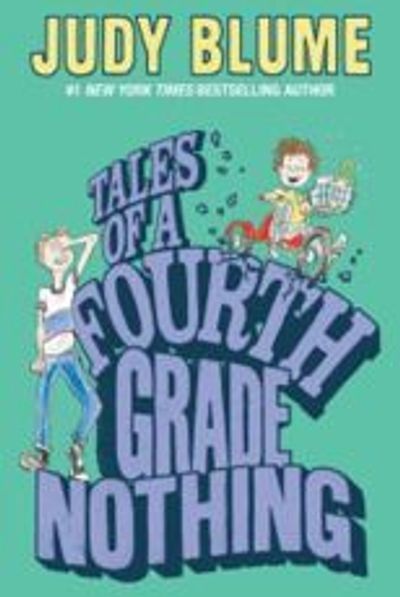
Tales of a fourth grade nothing
Activities for Tales of a Fourth Grade Nothing by Judy Blume
Let’s Learn:
- Turtle Facts One of the fun parts of the story centers around Dribble, the turtle Peter won at a party. Research types of turtles and which ones make good pets. Create a Pros/ Cons chart for having a pet turtle. You may want to check out 10 Types of Turtles That Make the Best Pets | Chewy.
- Fun Facts about New York City Peter and his family live in New York City near Central Park. Research famous places/ buildings in New York City, such as The Empire State Building, Statue of Liberty, Rockefeller Center, Time Square, and Central Park. If you live close enough, plan a trip to visit the city.
Let’s Explore/ Experience:
- Map of New York City Using the map provided below, locate places of interest near Central Park. Choose one to plan a field trip for Peter’s 4th grade class.
- Make Juicy-O Smoothies In the book, Peter’s father creates advertisements for Juicy-O. This beverage is described as tasting like a combination of oranges, pineapples, grapefruit, pears, and bananas. Make your own smoothie by blending one cup of frozen fruit, one cup fruit juice, and a small banana. Experiment with different fruits to find your favorite.
Let’s Apply/ Make Connections:
- Sibling Rivalry Peter and Fudge’s relationship is a major part of the story. If you have a sibling, discuss how you get along and what things you agree/disagree about. Ask your parents and friends about their sibling relationships. Identify things that siblings can do to get along better.
Let’s Create:
- Lost Turtle poster Create a “lost turtle” poster for Dribble. Don’t forget to include your contact information.
- Create a Commercial Write and act out a television commercial for Juicy-O. You may even want to write a music “jingle” to sing.
Note: Several ideas for this lesson came from the following sites: https: //curious-classroom.com/activities-tales-of-a-4th-grade-nothing; Tales of a Fourth Grade Nothing - Book Units Teacher.